Buying and Selling, Piano Guides
A Guide to Niemeyer Pianos: History and Build Quality
Jul
Niemeyer pianos are one of those names that raise more questions than answers. If you are looking at one among the used pianos in Toronto and cannot find a tidy company history, you are not missing something obvious. Niemeyer is a lesser-known marque, so the sensible way to judge one is not by the badge but by the build. This guide keeps the history honest and general, then spends most of its time on what actually decides whether a Niemeyer is worth owning.
A piano is a machine with thousands of parts under tension, and the name on the front tells you very little about how any single instrument was made or maintained. What follows is a clear-eyed look at where the Niemeyer name sits, how to read the build quality, whether a used one is a smart buy, and how to keep it sounding right.
In this article
A brief and honest history of niemeyer pianos
Here is where honesty serves you better than a polished story. Reliable, well-sourced history on the Niemeyer name is limited, and a lot of what circulates online about obscure piano brands is guesswork dressed up as fact. Many lesser-known names were stencil brands, where a distributor put a chosen name on pianos built in a larger factory, and some were regional makes that never grew into household names. Without a documented source, it is wiser to say the record is thin than to invent a founding date and a factory that may never have existed.
That uncertainty is not a reason to dismiss the piano. Plenty of fine instruments wear modest or forgotten names, and plenty of famous names sit on pianos in rough shape. Universal Piano Services keeps a reference page on the Niemeyer name and the brands we service, and the practical takeaway is consistent: let the instrument, not the label, make the case for itself.
Quick take
Niemeyer is a lesser-known name with thin documented history, and it may be a stencil or regional brand. That is not a red flag on its own. Judge the actual piano by its soundboard, action, and structure rather than by the story attached to the name.
Niemeyer build quality: cabinet, action, and soundboard
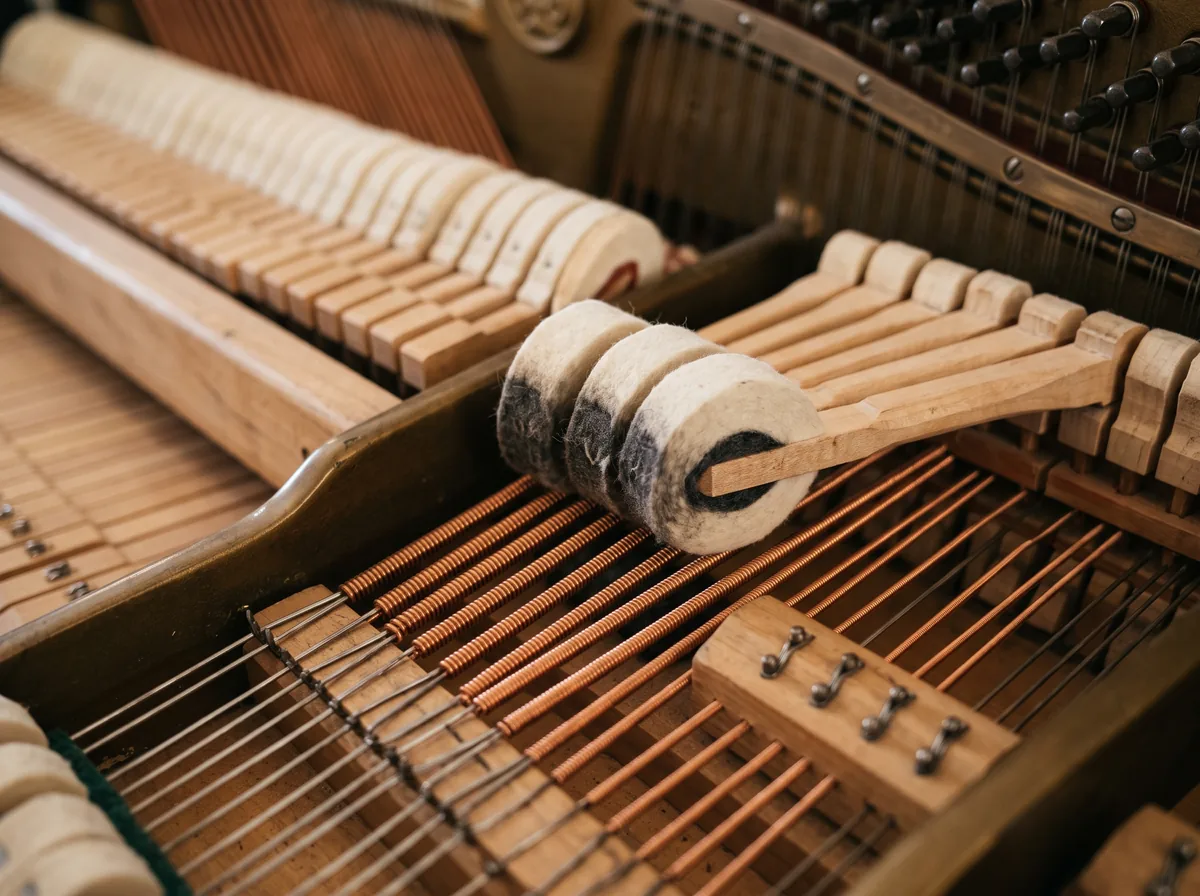
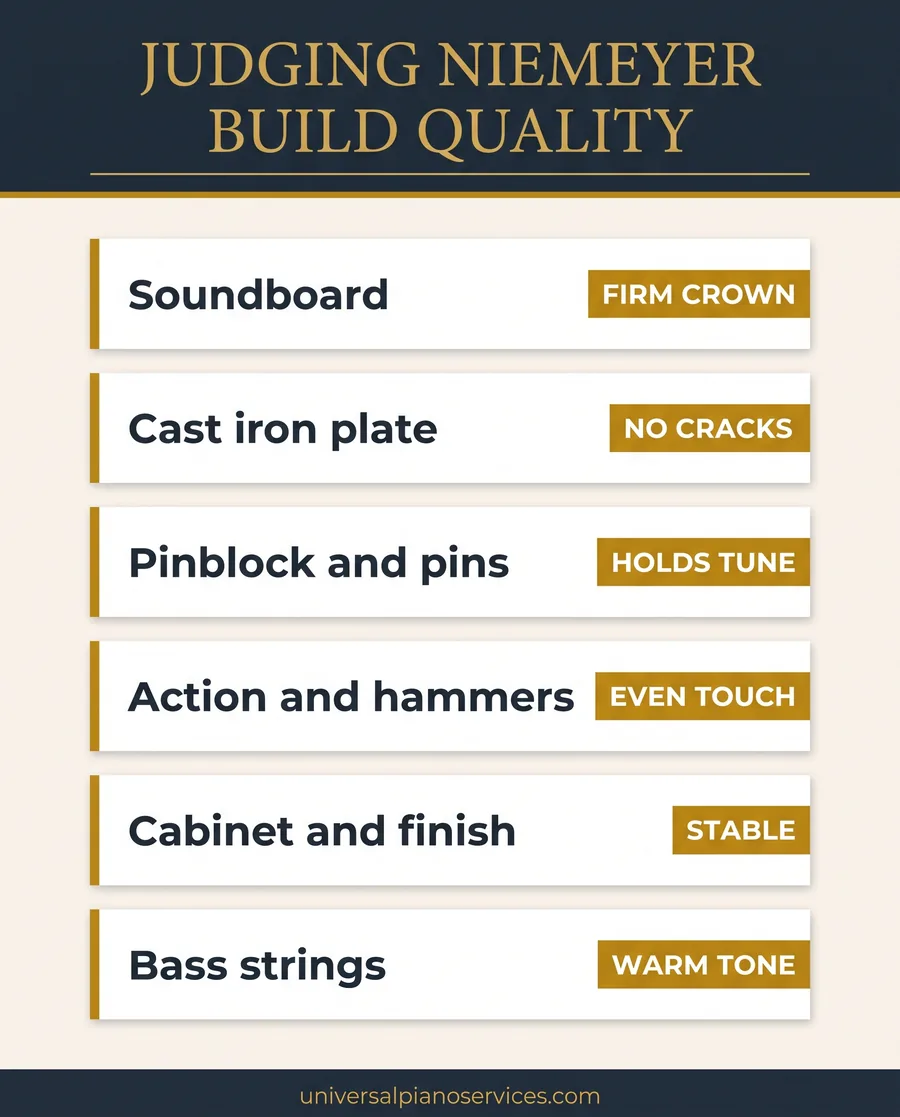
Build quality is where Niemeyer pianos earn or lose your interest, and you assess them the way you would any unfamiliar instrument. Three areas carry most of the weight: the soundboard that produces the tone, the action that translates your fingers into sound, and the structure that holds tons of string tension together for decades.
| Area | What to look and listen for | What it signals |
|---|---|---|
| Soundboard | Firm crown, clear sustain, no open cracks | The core of the tone and long-term health |
| Cast iron plate | No cracks or repairs around the pins | Structural soundness; a cracked plate is usually fatal |
| Pinblock and pins | Pins hold firm, piano keeps its tune | Whether the instrument is stable or a constant chore |
| Action and hammers | Even, responsive touch across the keys | How musical and satisfying it is to play |
| Cabinet and finish | Stable veneer, no swelling or delamination | Storage history and overall care |
| Bass strings | Warm, clear low notes, not dull thuds | Whether restringing is looming as a cost |
If you want to understand why the soundboard matters so much, it helps to see how careful makers build one. A short look at soundboard construction from a respected manufacturer explains the craft behind that single component, and it makes the difference between a lively piano and a lifeless one much easier to hear.
Did you know
The soundboard is not a passive panel. It is a shaped, slightly domed piece of spruce that acts like the piano’s loudspeaker, amplifying the strings’ vibration. When it cracks or loses its crown, the piano goes dull and quiet, which is why technicians check it first on any older instrument, whatever the name on the front.
Is a used Niemeyer piano worth buying
For a buyer on a sensible budget, a sound Niemeyer can be a genuine opportunity. Because the name carries no premium, a well-kept example often costs less than a comparable famous-badge piano of the same age and condition. That is the upside of a modest marque. The risk is the same as with any used piano: you are buying the condition, not the reputation. A Niemeyer that holds pitch, plays evenly, and has a healthy soundboard is worth having. One that needs strings, hammers, or structural work may cost more to restore than it will ever return.
Before you commit, it pays to know what to look for in any used instrument. Our guide to the benefits of buying a used piano covers the financial logic, and a professional check, ideally referencing the standards of a body like the Piano Technicians Guild, removes most of the guesswork from the decision.
Any value or cost guidance here is general and not an appraisal. What a specific Niemeyer piano is worth depends on its size, age, condition, and local demand, all of which vary and change over time. For an accurate figure on a particular instrument, arrange an in-person evaluation with a qualified technician or appraiser.
People often ask: are Niemeyer pianos a good brand?
There is no single answer, because a lesser-known name spans a range of quality depending on who built each piano and how it was kept. Rather than ask whether the brand is good, ask whether this piano is good. A careful inspection of the one in front of you is worth more than any general verdict on the name.
How a lesser-known piano compares on the used market
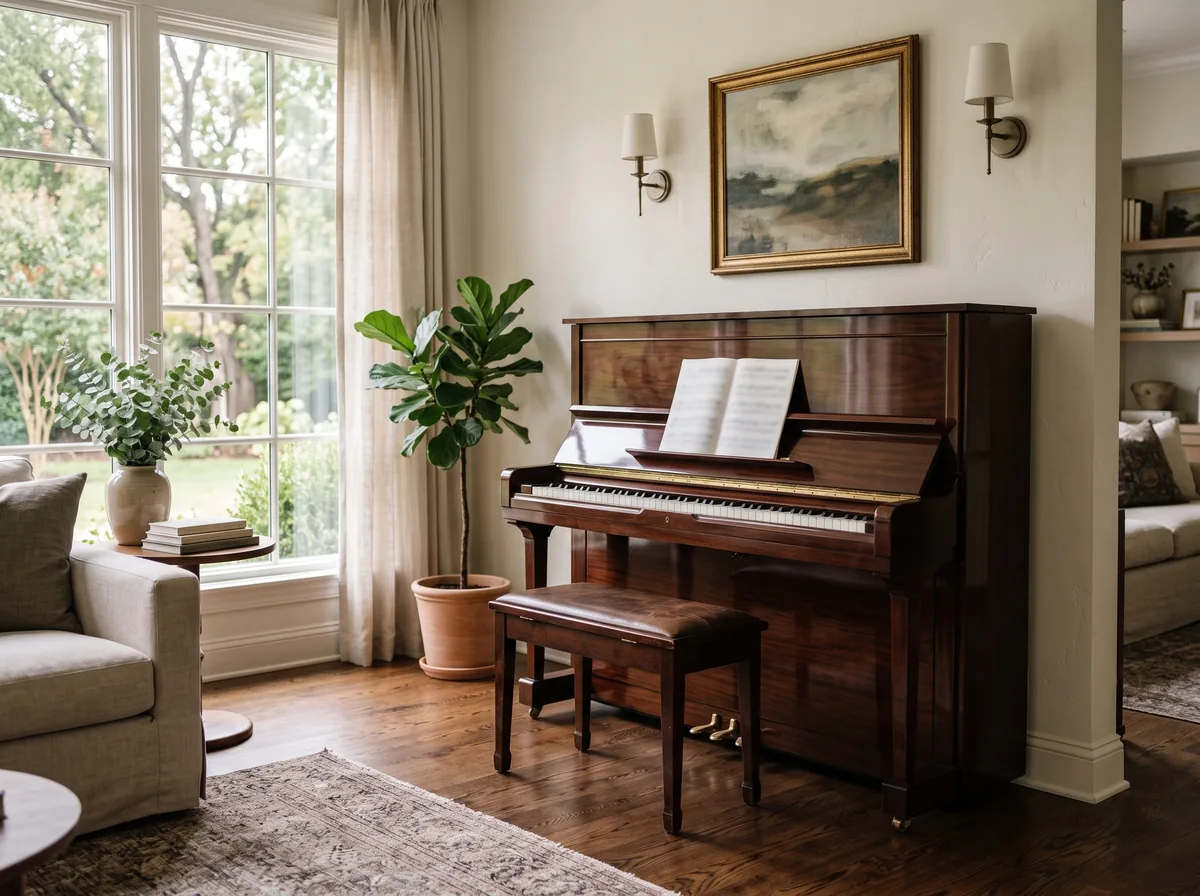
It helps to place a Niemeyer against the alternatives you are likely weighing. Each path has trade-offs, and the right choice depends on your budget, your patience, and how the instrument plays.
- A serviced lesser-known acoustic, like a healthy Niemeyer, offers a real acoustic touch at a friendly price, provided the bones are sound.
- A famous-badge used piano costs more for the name and resale confidence, but the same condition rules still apply.
- A project piano of any make can be cheap up front and expensive to restore, so only take one on with eyes open.
- A quality digital avoids tuning and humidity worries, but it does not replicate the feel and tone of a good acoustic.
Save your money
The cheapest piano in the listing is rarely the cheapest to own. A modest Niemeyer that has already been serviced and holds its tune usually beats a bargain that arrives needing strings, regulation, and a pitch raise. Price the work, not just the piano, and the real value becomes clear.
Keeping a Niemeyer piano in tune and in shape
This article is for general information only. Piano condition, tuning stability, and care needs vary by instrument, age, and environment. Universal Piano Services is not liable for outcomes from actions taken based on this content. Always consult a qualified piano technician for your specific instrument.
A Niemeyer asks for the same steady care as any acoustic piano, and it repays that care with years of reliable music. The routine is simple and worth keeping:
- Tune it twice a year. Regular tuning keeps the piano sounding right and keeps string tension stable, which is easier on the frame and pinblock.
- Guard the humidity. Stable moisture is the single biggest favour you can do the soundboard. Keep the piano away from vents, radiators, and exterior walls.
- Play it often. Regular use keeps the action responsive and helps you catch small issues before they grow.
- Service beyond tuning. Occasional regulation and voicing keep the touch even and the tone at its best as the piano ages.
- Clean with care. A soft, dry cloth handles daily dust. Leave the interior and any finish work to a technician.
When a piano is worth more than routine upkeep, restoration can be transformative. Our overview of piano restoration and repair covers what is worth doing, and consistent professional piano tuning remains the cheapest insurance for any instrument you value.
Pro tip
If a Niemeyer has been sitting unplayed for years, expect it to need a pitch raise before a fine tuning will hold. Do not judge the piano’s tuning stability on that first appointment. Give it a follow-up tuning a few weeks later and then decide how well it truly holds.
“Almost skipped a Niemeyer upright because I’d never heard the name. A technician checked it, the soundboard and action were solid, and it turned out to be the best-value piano I looked at all month.”
r/piano shopper, 2024
Download the free quick guide
A one-page guide to judging a Niemeyer piano by its build quality rather than its badge.
Frequently Asked Questions
A modest name on the fallboard can hide a fine piano, or a tired one. The only way to know is to look properly. Universal Piano Services appraises, tunes, repairs, and restores used pianos for owners across Etobicoke, Richmond Hill, Oakville, and the greater Toronto area. If you are weighing a Niemeyer, reach out to our team and we will tell you honestly what the instrument is and whether it deserves a place in your home.