Buying and Selling, Piano Guides
August Hoffman Piano Guide: History, Build Quality, and Care
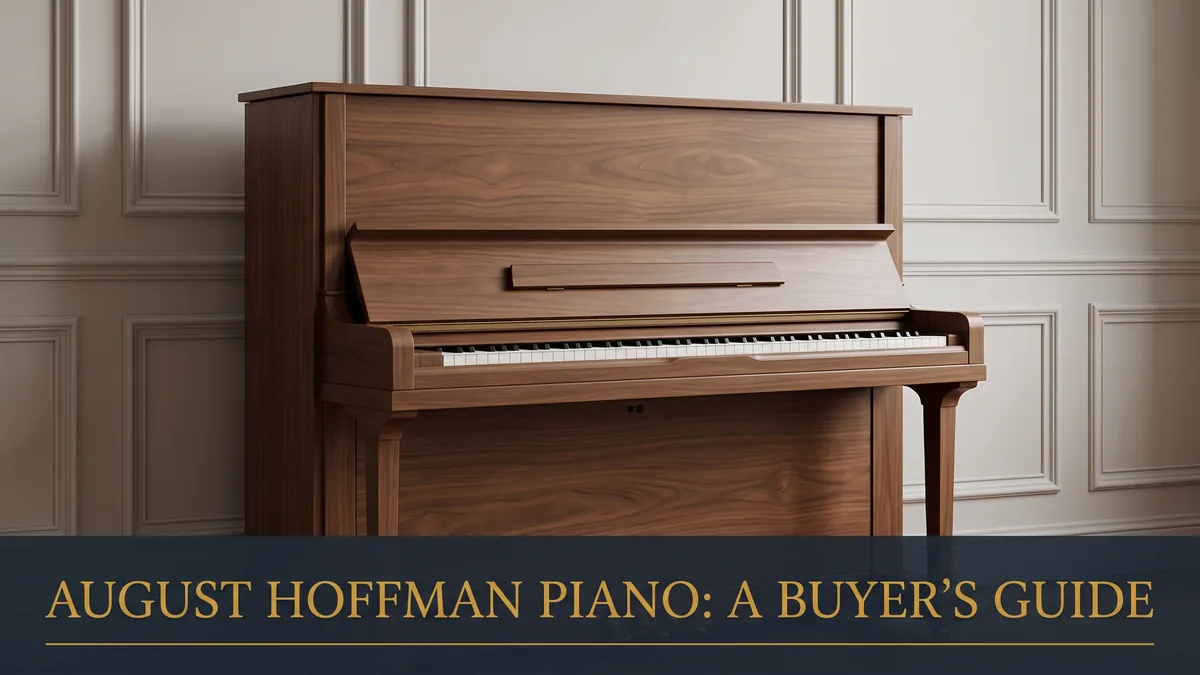
Sep
You have found an August Hoffman piano, tried to research it, and hit a wall. That is normal. The August Hoffman piano is a lesser-known name with thin published history, which means you cannot lean on the badge to judge it. The good news is that a piano tells you the truth if you know where to look, and a proper professional piano appraisal can settle the question of what you actually have.
This guide skips the guesswork and the invented backstories. Instead of pretending to a precise company timeline that no reliable source supports, it shows you how to read the instrument itself: how to place the name, how to judge build quality, what a realistic value looks like, and how to keep an older upright playing well.
In this article
Tracing the August Hoffman Piano Name
Piano history is full of names that were applied to instruments built by someone else. These are often called stencil pianos, where a distributor or store puts its own chosen name on a piano made in a larger factory. An August Hoffman piano may well fall into this category, which is exactly why solid, verifiable records about the name are hard to come by. Treat any confident-sounding history you read online with healthy skepticism unless it cites a real source.
It is also easy to confuse similar-sounding names. The German maker August Forster is a distinct and highly regarded marque, and W. Hoffmann is another separate name associated with a European manufacturer. An August Hoffman piano is none of these, so do not assume prestige or pedigree from a name that merely sounds familiar. What the piano is worth and how it plays depend on the instrument in your room, not on a coincidental resemblance to a famous label.
Red flag: invented histories
If a seller or a website gives you a very specific founding date, factory, and lineage for an obscure piano name with no source, be cautious. Detailed stories attached to little-documented brands are often filler. Judge the piano on its condition and sound, which cannot be faked, rather than on a backstory that may be.
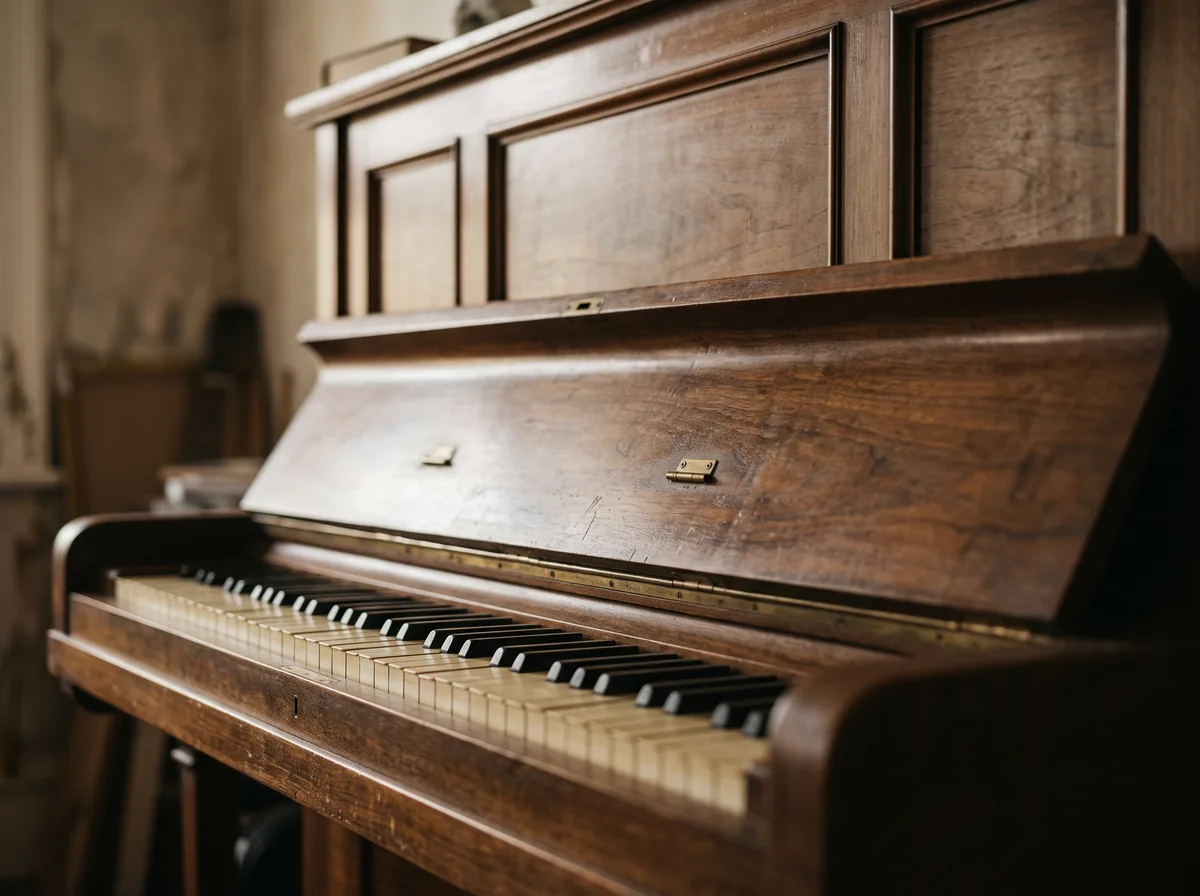
How to Judge an August Hoffman Piano’s Build Quality
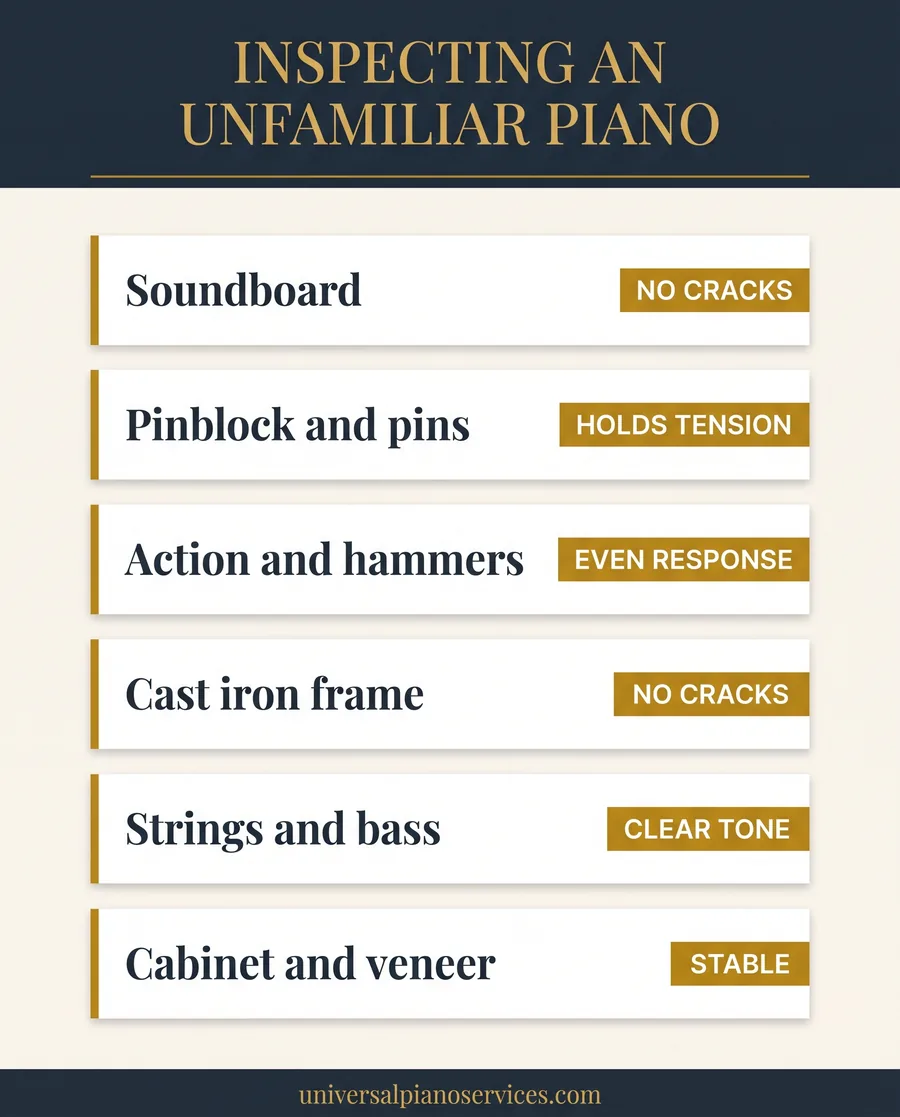
When the name gives you nothing, the construction gives you everything. A technician evaluates any unfamiliar piano the same way, working through the parts that decide whether an instrument is worth playing and worth keeping. You can do a first pass yourself, and a good habit is to reference the standards set by a body like the Piano Technicians Guild when you want a professional opinion.
| What to inspect | What you are looking for | Why it matters |
|---|---|---|
| Soundboard | Solid, gently crowned, no open cracks | It is the voice of the piano; damage here is serious |
| Pinblock and tuning pins | Firm pins that hold tension | A piano that will not stay in tune is a constant expense |
| Action and hammers | Even response, hammers with life left | Worn action makes the piano tiring and unmusical |
| Frame and structure | No cracks in the cast iron plate | A cracked plate usually ends a piano’s useful life |
| Strings and bass | Clear tone, not dull or dead | Old, corroded strings mute the sound and need replacing |
| Cabinet and veneer | Stable, not swollen or delaminating | Shows how the piano was stored and handled |
Did you know
The badge on the fallboard is often the least reliable thing about a piano. Two instruments wearing the same obscure name can differ wildly in quality depending on who actually built them and how they were cared for. This is why an in-person inspection beats any amount of online research for a lesser-known brand.
What is an August Hoffman Piano Realistically Worth?
Here is the honest part. A lesser-known name with little documented pedigree does not command a premium simply for being old. Value on the used market tracks condition and playability far more than the label. A clean, well-serviced August Hoffman piano that holds pitch and plays evenly has genuine worth to a family looking for a real acoustic instrument. One that needs strings, hammers, or structural work is worth much less, and may cost more to repair than it will ever be worth.
If you are trying to decide between fixing, selling, or replacing, it helps to see how the broader market values used instruments. Our look at the benefits of buying a used piano and our guide on selling a piano and dealer trade-ins together give you a realistic frame before you set an expectation on price.
Any value guidance here is general and not an appraisal. What a specific August Hoffman piano is worth depends on its condition, size, age, and local demand, all of which vary. For an accurate figure, arrange an in-person evaluation with a qualified technician or appraiser before you buy, sell, or insure the instrument.
Save your money
Do not pour restoration money into a lesser-known piano before you know its bones are sound. A short paid inspection up front can save you from investing in strings and hammers for an instrument with a cracked plate or a failing pinblock, faults that quietly turn a bargain into a money pit.
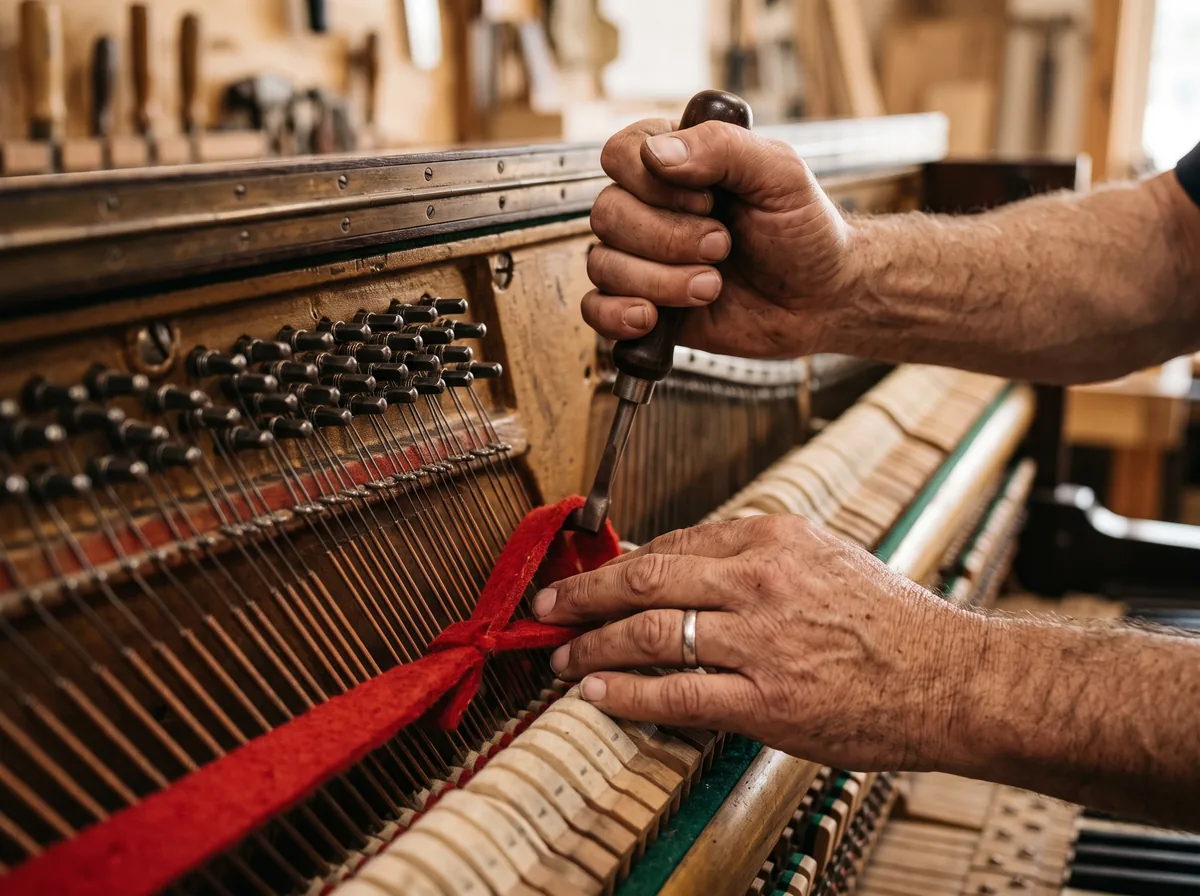
Tuning, Care, and Restoration for an Older Upright Piano
This article is for general information only. Piano condition, tuning stability, and care needs vary by instrument, age, and environment. Universal Piano Services is not liable for outcomes from actions taken based on this content. Always consult a qualified piano technician for your specific instrument.
Whatever its origins, an August Hoffman piano responds to the same care as any older upright. Keep the fundamentals right and even a modest instrument can give years of pleasure.
- Tune it regularly. Two tunings a year suit most home pianos, and a piano that has sat unplayed for a long time may need a pitch raise first.
- Mind the environment. Stable humidity protects the soundboard and pinblock. Keep the piano off exterior walls and away from vents and radiators.
- Address small faults early. Sticking keys, a buzzing note, or a soft pedal that no longer works are easier and cheaper to fix before they spread.
- Have it assessed before major work. A technician can tell you whether restoration is money well spent or whether the instrument has reached the end of its road.
- Clean gently. A soft dry cloth is enough for daily care. Leave interior cleaning and any chemical treatment to a professional.
When a piano is genuinely worth saving, thoughtful work can transform it. Our overview of piano restoration and repair explains what restoration involves, and steady professional piano tuning is the least expensive way to keep any instrument healthy between visits.
Pro tip
Photograph the fallboard, the plate markings, the serial number, and the interior before you contact a technician or shop. Clear photos of an obscure piano let a professional give you a far more useful first opinion without a site visit, and they help enormously if you decide to sell.
Is an August Hoffman Piano Worth Buying or Keeping?
The name should neither excite you nor scare you off. If the piano is structurally sound, holds a tune, and plays in a way you enjoy, an August Hoffman upright can be a perfectly good instrument, especially at a used-market price. If it has serious faults, walk away or negotiate hard, because sentiment and an unfamiliar badge will not carry the cost of repairs. Let the instrument earn its keep on how it sounds under your hands.
“Inherited an August Hoffman upright nobody could tell me much about. Had a technician look it over, turned out to be solid, and a tuning brought it right back. Glad I checked before assuming it was junk.”
r/piano owner, 2024
Download the free quick guide
A one-page guide to judging a lesser-known piano like an August Hoffman by its condition, not its badge.
Frequently Asked Questions About August Hoffman Pianos
An unfamiliar name on the fallboard is a question, not a verdict. If you have an August Hoffman piano and want to know what it really is and what it is worth, Universal Piano Services can help. We appraise, tune, repair, and restore used pianos for owners throughout Scarborough, Markham, Mississauga, and the greater Toronto area. Get in touch with us and we will read the instrument honestly, then tell you the smart next step.