Piano Guides
Choosing the Right Used Piano Size for a Toronto Apartment
Aug
The short answer first: for most one and two bedroom apartments in Toronto, a console or studio upright is the piano size for an apartment that fits without turning your living room into an obstacle course. A full size upright or a baby grand can still work, but only if you have measured the room and the route in, not just the piano. Our current inventory of used pianos around Toronto includes several sizes worth comparing before you commit to one.
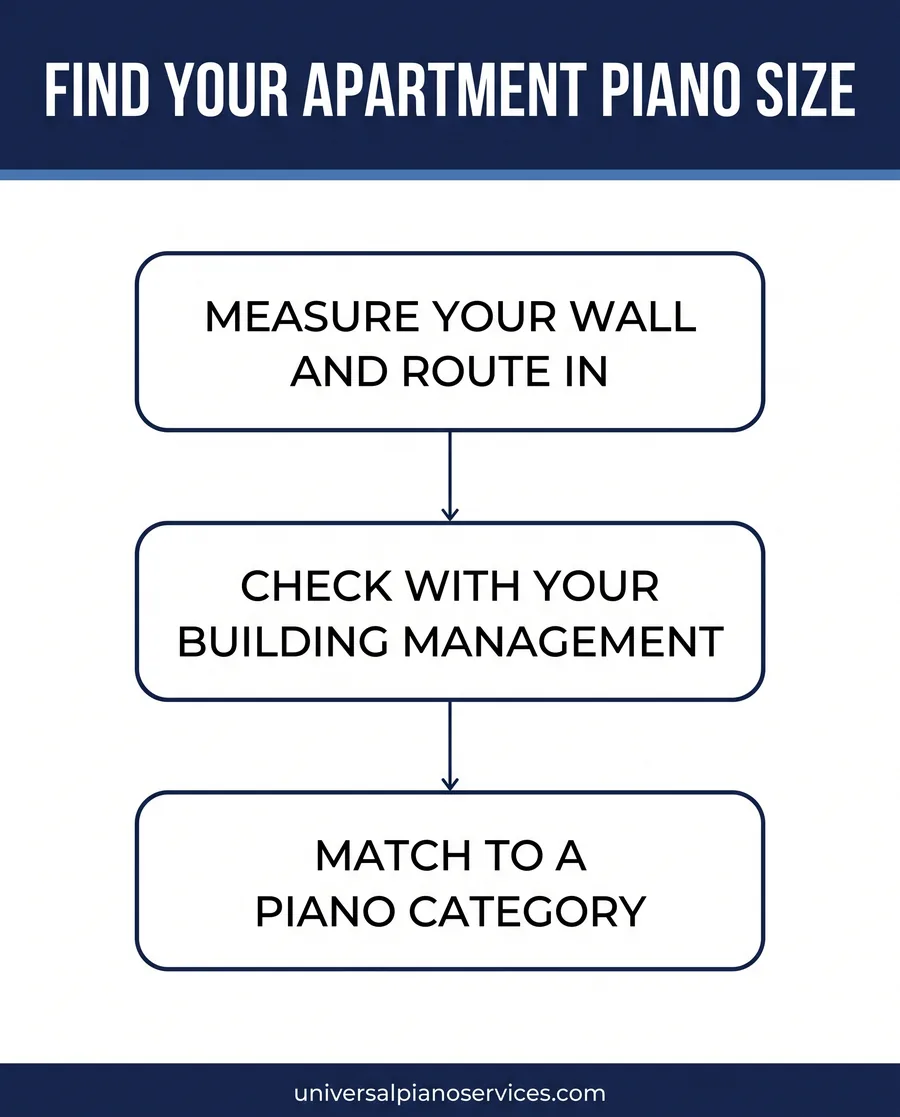
Picking the right piano size for an apartment comes down to three things, in this order: how much floor space you genuinely have, how the piano gets from the street to your unit, and how the room sounds once the instrument is actually in it. Here is how to work through all three.
Quick take
Console and studio uprights are the most common fit for Toronto apartments. Spinets save the most floor space but trade off some tone. Full uprights and baby grands are workable in a larger unit with a clear delivery route, not a rule-out everywhere else.
The short answer on piano size for an apartment
There is no single correct piano size for an apartment, but there is a pattern in what actually works long term. Smaller upright categories generally give you more flexibility in a condo or a rental, since they ask less of the room and the moving route. Taller uprights and grands can sound noticeably richer, but they ask more of the space around them in return.
The rest of this guide is a decision tree, not a single recommendation, because the right call for a bright, high ceilinged loft is not the same as the right call for a narrow one bedroom with a tight hallway.
Piano types, from smallest to largest footprint
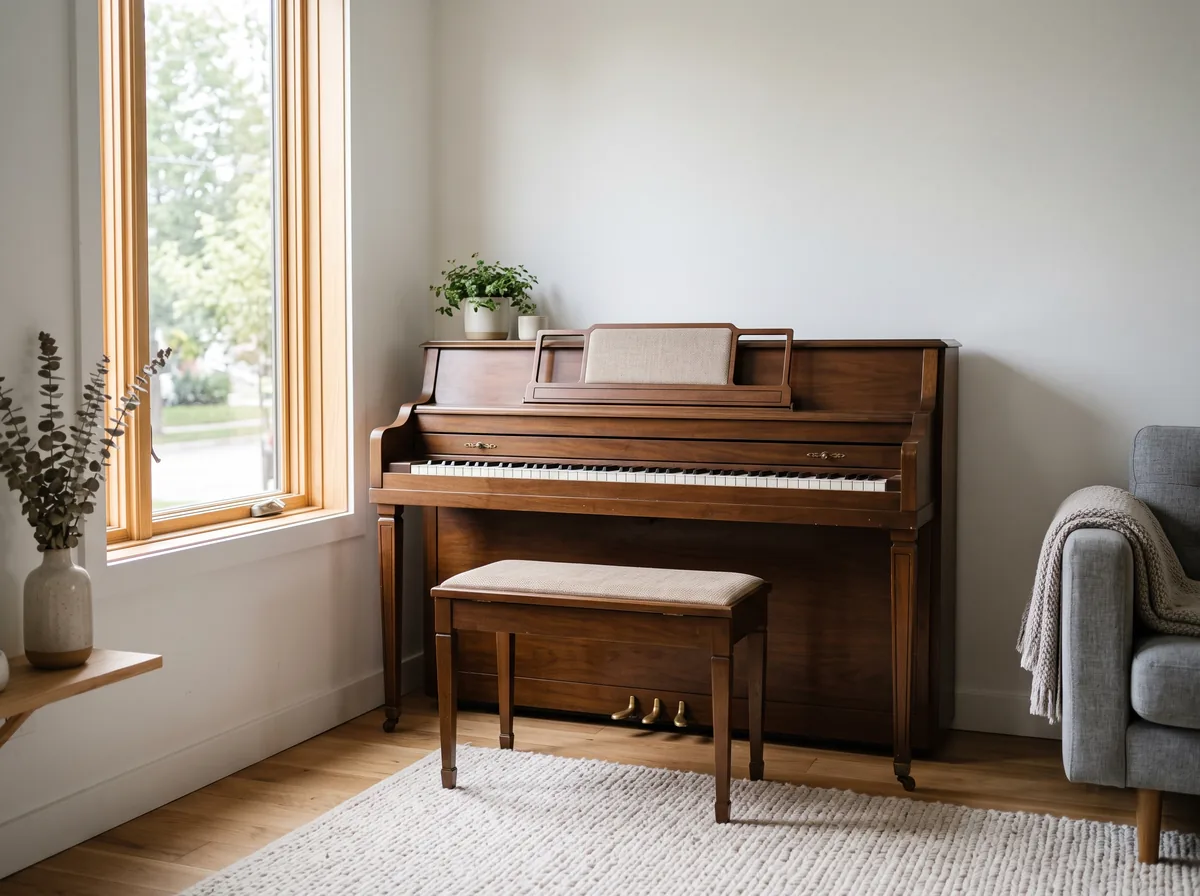
Upright pianos are grouped by height, and height is the single biggest factor in how a piano fits an apartment. According to Yamaha’s own b Series specifications, a compact upright can run well under four feet tall, while a full size upright commonly reaches close to four feet or more, a difference you feel the moment one is standing in your living room.
- Spinet: the shortest upright category, generally the easiest fit for a small apartment, with a more compact action that some players notice in touch feel.
- Console: a common middle ground, taller than a spinet with a fuller tone, still a manageable footprint for most apartment living rooms.
- Studio upright: taller again, closer to a piano built for practice rooms and small studios, with noticeably more depth in the bass than a spinet.
- Full size upright: the tallest upright category, generally the richest upright tone, but the one most worth measuring your space against before you buy.
- Baby grand: a different shape entirely, needing floor space in front of the keyboard rather than just wall height, workable in an open concept apartment with the right layout.
Where digital and hybrid options fit in
If floor space is the binding constraint, it is worth knowing that a digital piano is not the only alternative to an acoustic one. Our digital versus acoustic comparison walks through the tradeoffs in touch and sound if you are weighing that option alongside a smaller acoustic upright.
Questions that actually decide your piano size
Work through these in order. Each answer narrows the piano size for an apartment that actually makes sense for your unit, rather than your wish list.
How much wall and floor space do you genuinely have
Measure the wall you are planning to use, not just the general area of the room, and add clearance in front for the bench and for opening the lid. A piano that technically fits against the wall but leaves no room to sit comfortably is not really a fit.
What does the route in actually look like
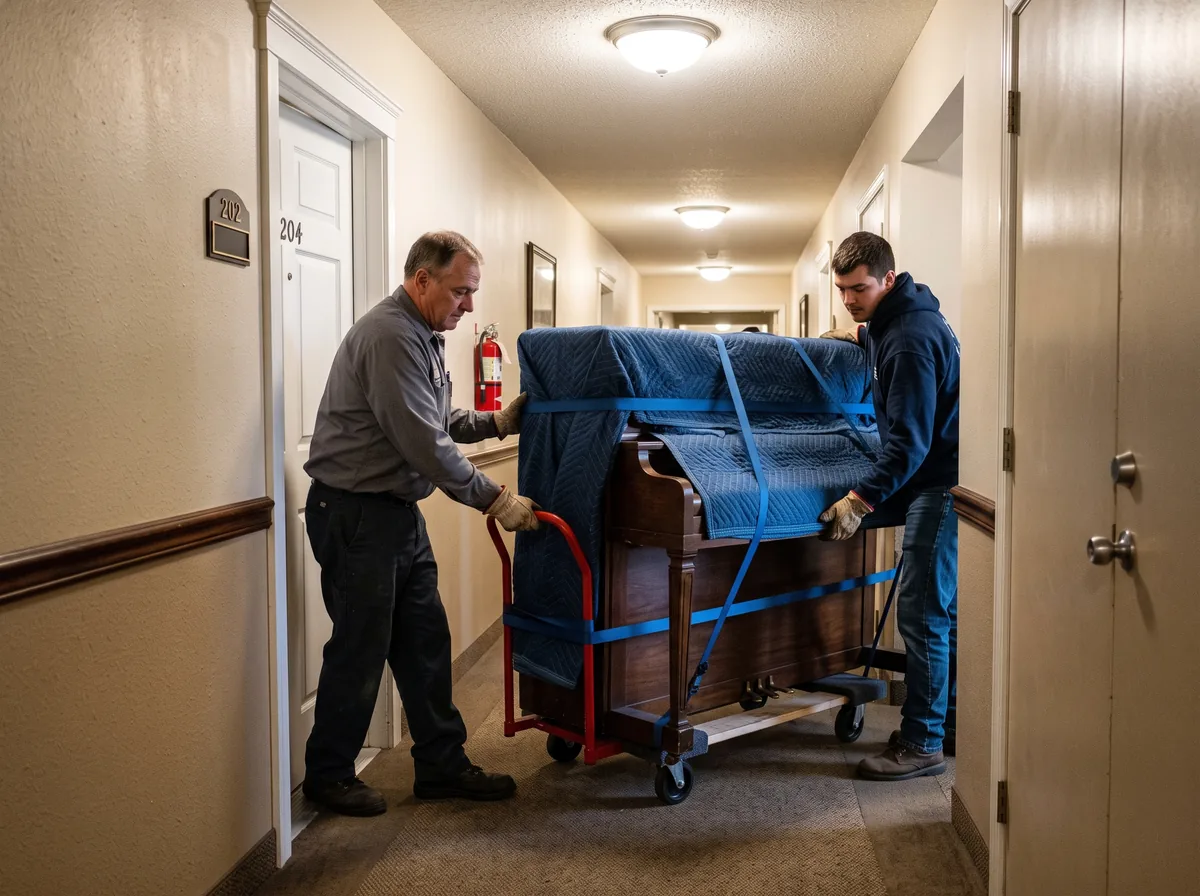
Stairwells, elevator interiors, hallway turns and doorway widths often decide the outcome before the piano ever reaches your unit. Walk the route yourself with a tape measure before you fall in love with a specific piano, and treat a tight turn or a narrow stairwell as a real constraint on size, not a detail to sort out later.
People often ask
Does my condo board or landlord need to approve a piano? Rules vary by building and by lease, and only your property management or landlord can tell you what applies to your specific unit. Check with them directly before you commit to a size, rather than assuming either way.
How will the room sound once the piano is in it
A small, hard walled apartment room can make even a modest upright sound louder and brighter than it did in a large showroom, since sound has less room to spread out and fewer soft surfaces to absorb it. Rugs, curtains and upholstered furniture all soften that effect, worth factoring in alongside pure square footage when you picture the piano size for an apartment that will actually feel comfortable to live with.
Comparing piano types for apartment living
Put the common upright categories and a baby grand side by side on the points that matter most for apartment living, and the shortlist gets easier to build.
| Piano type | Typical footprint | Apartment fit | Worth knowing |
|---|---|---|---|
| Spinet | Shortest upright height, small floor footprint | Generally the easiest fit for a small unit | Compact action some players notice in touch feel |
| Console | A step taller than a spinet, similar floor footprint | A common, comfortable middle ground | Fuller tone than a spinet in a similar footprint |
| Studio upright | Taller cabinet, still a wall-mounted footprint | Workable in most apartment living rooms | More bass depth, worth confirming clearance above |
| Full size upright | Tallest upright category, same general floor footprint | Best in a larger room with a clear delivery route | Richest upright tone, most worth measuring first |
| Baby grand | Needs open floor space in front, not just wall height | Fits an open concept layout better than a tight room | Access route and turning space matter more than height |
Notice that the deciding factor changes from row to row. Uprights compete mostly on height and depth against a wall. A baby grand competes on open floor space instead, which is why an otherwise small apartment with an open layout can sometimes fit a grand better than a boxier apartment fits a full size upright.
Good to know
Piano dimensions vary by manufacturer and model, so treat the categories above as general guidance rather than a spec for a specific instrument. Building rules, lease terms and any approval a specific building requires are between you and your property management or landlord, not something this article can confirm. Always measure your own space and access route before committing to a size.
Getting your chosen size safely into the apartment
Once you have a size in mind, the move itself is its own project. Pianos are heavy, awkwardly balanced and expensive to damage, which is exactly why a professional piano moving crew plans the route, the equipment and the protection before anything gets lifted, rather than treating it like a large piece of furniture.
If you already know your target unit, our piano moving preparation checklist covers what to confirm about stairwells, elevators and parking before moving day, so the size you chose on paper actually gets delivered without a surprise at the door.
Download the free quick guide
A printable worksheet for measuring your space, your route in, and matching both to a realistic piano size.
Frequently asked questions
What is the best piano size for a small Toronto apartment?
For most small apartments, a spinet or console upright tends to be the most comfortable piano size for an apartment, since both categories generally have the shortest height and a manageable floor footprint. A studio or full size upright can still work in a larger room, and the right choice ultimately depends on your specific wall space, ceiling height and how the piano needs to travel to reach your unit, not on a single universal answer.
Can a baby grand piano fit in an apartment?
Sometimes, particularly in an open concept layout with enough clear floor space in front of the keyboard rather than just wall height. A baby grand competes for open floor area in a way an upright does not, so a compact but open apartment can occasionally fit one more comfortably than a boxier layout fits a full size upright. Measure the actual footprint, including bench clearance and lid swing, before assuming either way.
Does my condo board or landlord need to approve a piano?
That depends entirely on your specific building and lease, and it is not something we can answer in general terms. Some buildings have rules about moving heavy items through common areas, and some leases address noise or alterations. Check directly with your property management, condo board or landlord before you commit to a piano size, rather than assuming a rule does or does not apply to your unit.
Will a smaller piano sound worse in an apartment?
Not necessarily worse, but generally different. A smaller upright commonly has less bass depth than a taller one, though a small, hard walled apartment room can make even a modest piano sound louder and brighter than it did in a showroom. Rugs, curtains and soft furniture change that balance noticeably, so it is worth picturing the finished room, not just the piano’s rated size, when you judge how it will actually sound at home.
How do I know if my hallway or stairwell can handle a piano move?
Measure the narrowest point along the entire route, including any turns, doorframes and landings, and compare that against the piano’s actual dimensions rather than just its general size category. A professional piano moving crew can also assess the route in advance and tell you whether a specific piano will clear it, which is generally worth doing before delivery day rather than discovering a tight spot with the piano already on the truck.
Measure first, shortlist second, and let the room and the route in decide the piano size for an apartment before the tone or the look does. Every size on the table above has apartments it fits comfortably, and apartments it does not.
If you want a second opinion on what will actually work in your space, book a piano appraisal in the GTA and describe your unit. We can talk through sizing and moving logistics together before you shortlist a single piano.